
Projects by Tags
artificial intelligence

Real-time EH&S Intervention to Improve Site Safety
This project integrates AI-based visual models with augmented reality (AR) to address fall-from-height (FFH) risks in high-rise construction. In collaboration with Lendlease, we explore how these technologies can improve the speed, accuracy, and scalability of hazard detection compared to manual inspections. We developed proof-of-concept prototypes that combine AI-driven computer vision with AR to enable real-time analysis, automated reporting, and immersive inspection and training.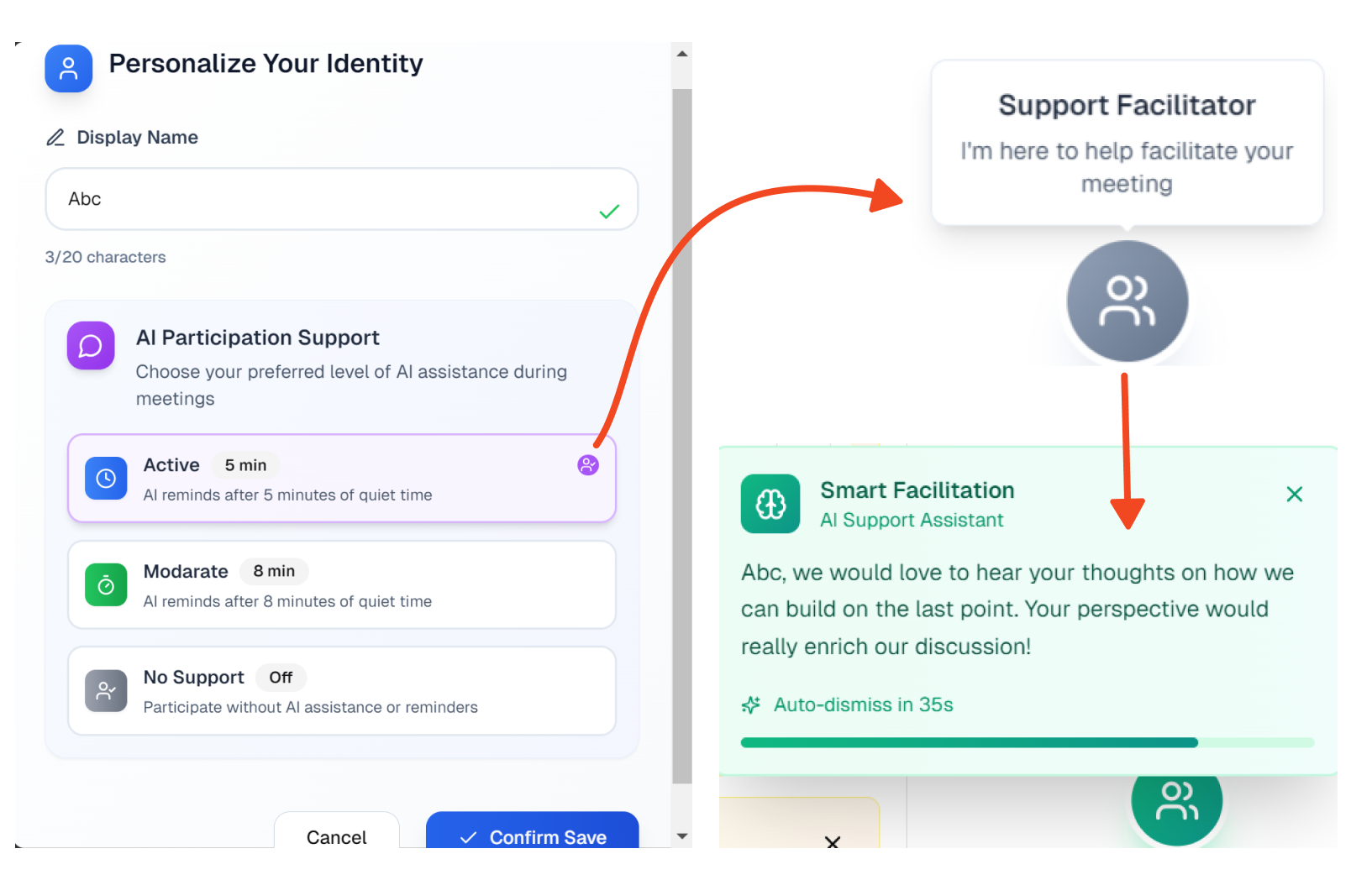
ProDAIS: GenAI-Facilitated Collaborative Learning System for Productive Group Discussion in Information Technology Education
This study explored how Generative AI can support productive group discussions by acting as a low-interference regulatory partner rather than a content generator. Using a Design-Based Research approach, we developed and evaluated ProDAIS, a lightweight AI facilitator grounded in SSRL and APT frameworks, with results showing high usability, low cognitive load, and effective support for participation balance and time management.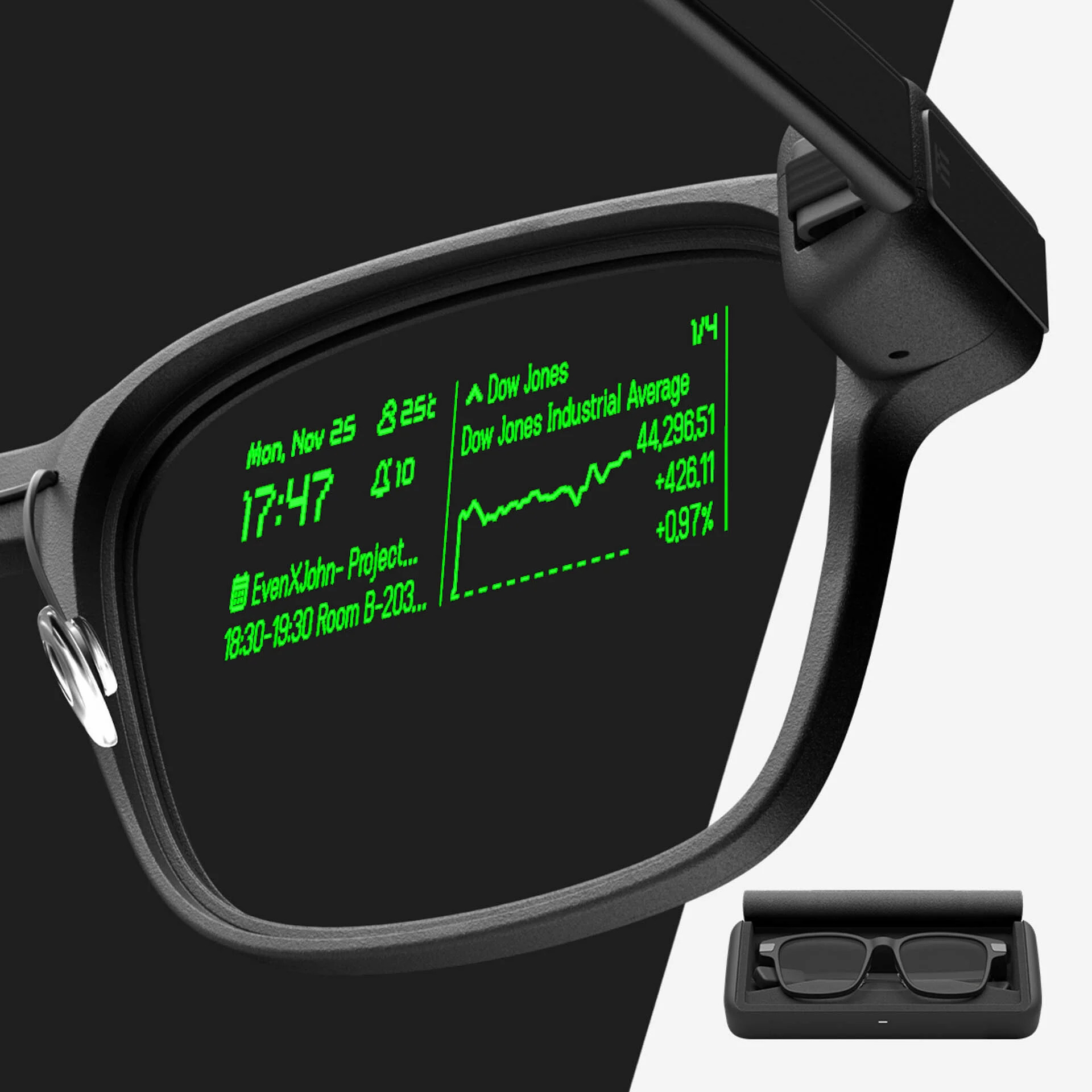
Implementation and comparison of large language models for ICU notes transcription and summarisation
This project focuses on the comparison and potential implementation of Large Language Models (LLMs) aiming to assist the clinical handovers process in an Intensive Care Unit (ICU) environment. This process is commonly identified as “the transfer of professional responsibility and accountability for some or all aspects of care for a patient and generally occurs between the shifts of supervising nursing staff.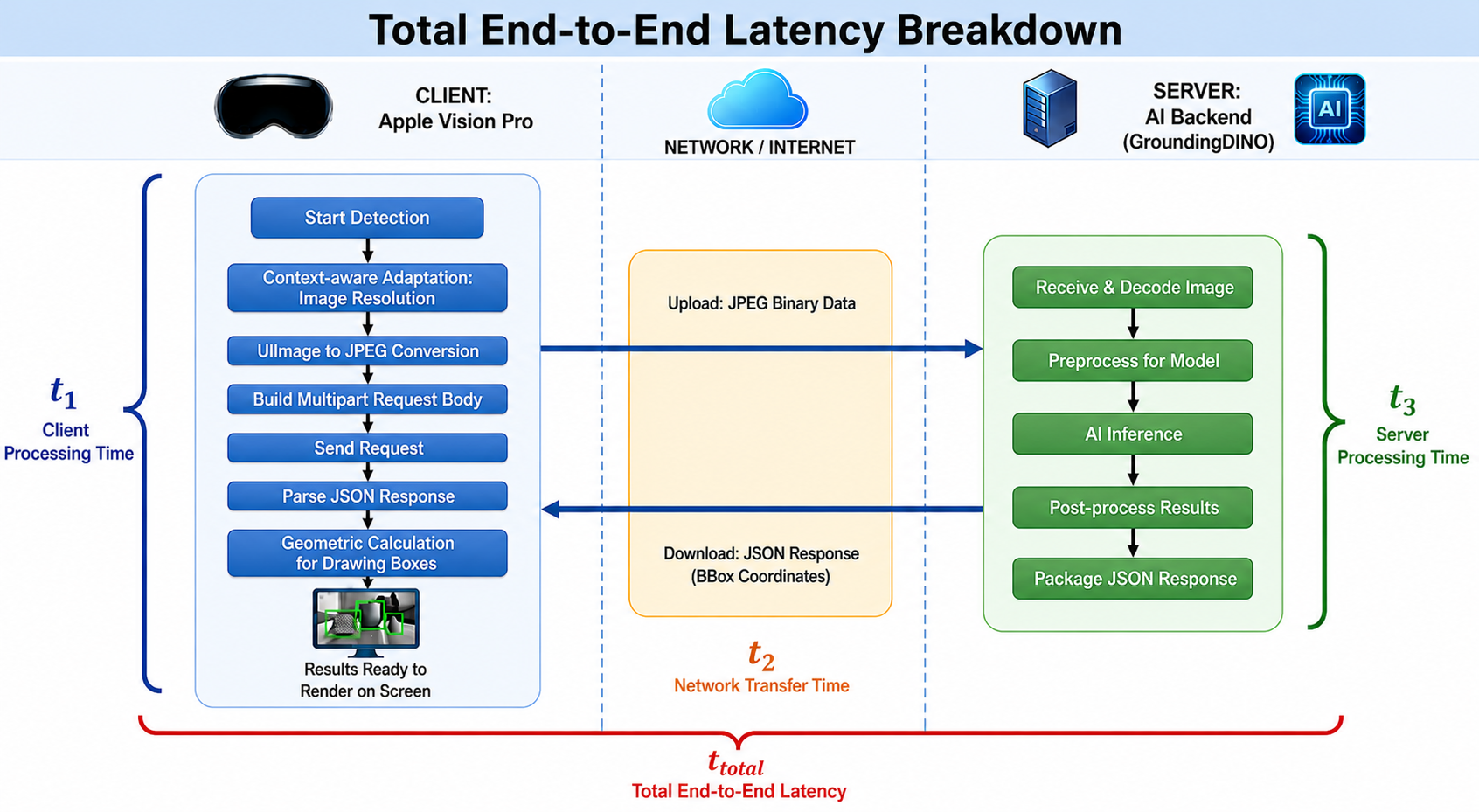
A Context-Aware Computing Framework for Performance Improvement in Distributed Vision-Based Augmented Reality
This project aims to address the limitations identified in the current state of the art by designing and evaluating a context-aware computing framework for distributed vision-based AR systems.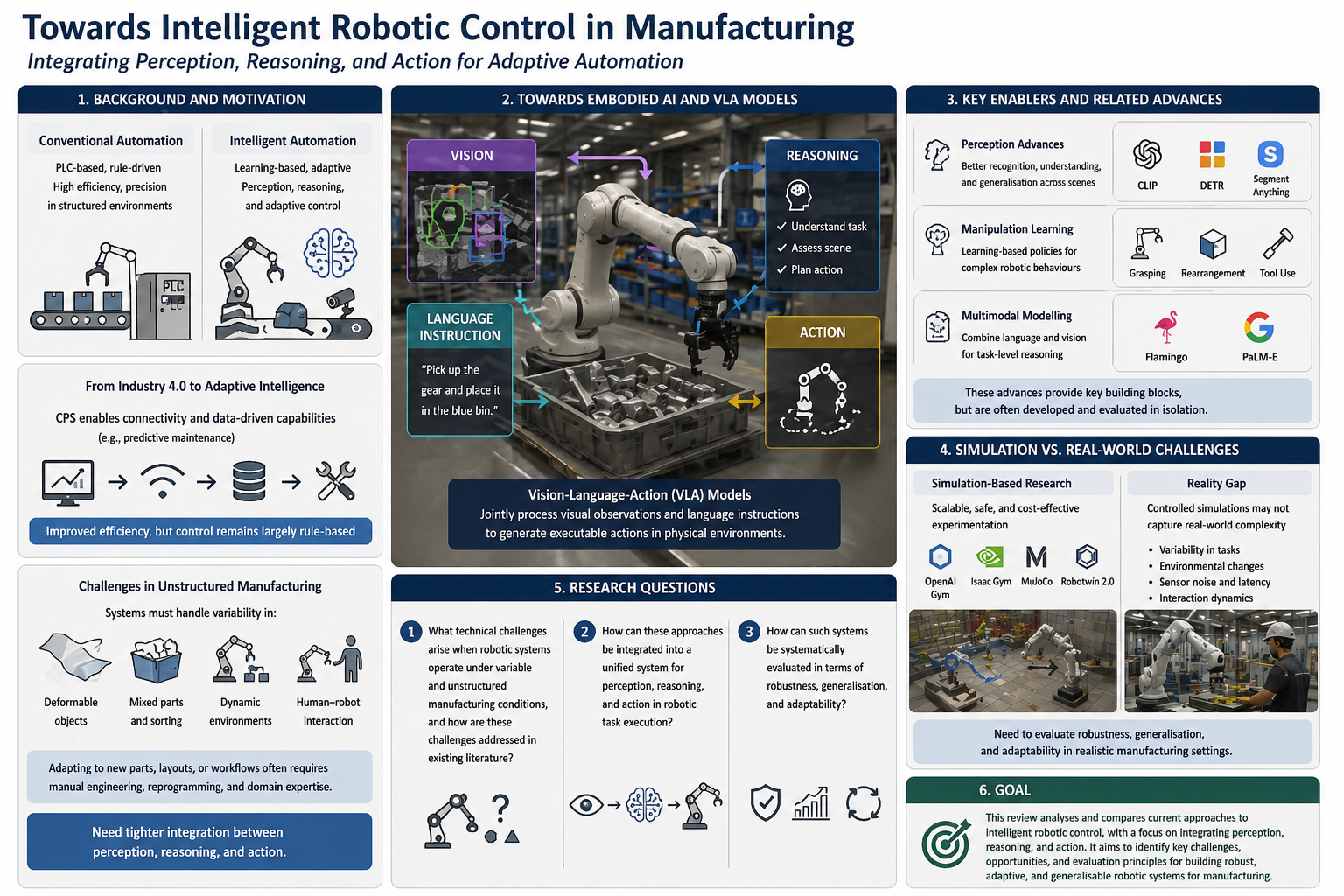
Intelligent Control and Manufacturing in the Agentic Era
This project proposes a simulation-based research framework that investigates how VLA-inspired decision-making can support adaptive robotic behaviours in tasks such as storage, retrieval, sorting, and replenishment. By focusing on system integration, realistic task modelling, and evaluation under dynamic operational conditions, this research aims to contribute toward more practical and scalable intelligent manufacturing systems in the agentic era.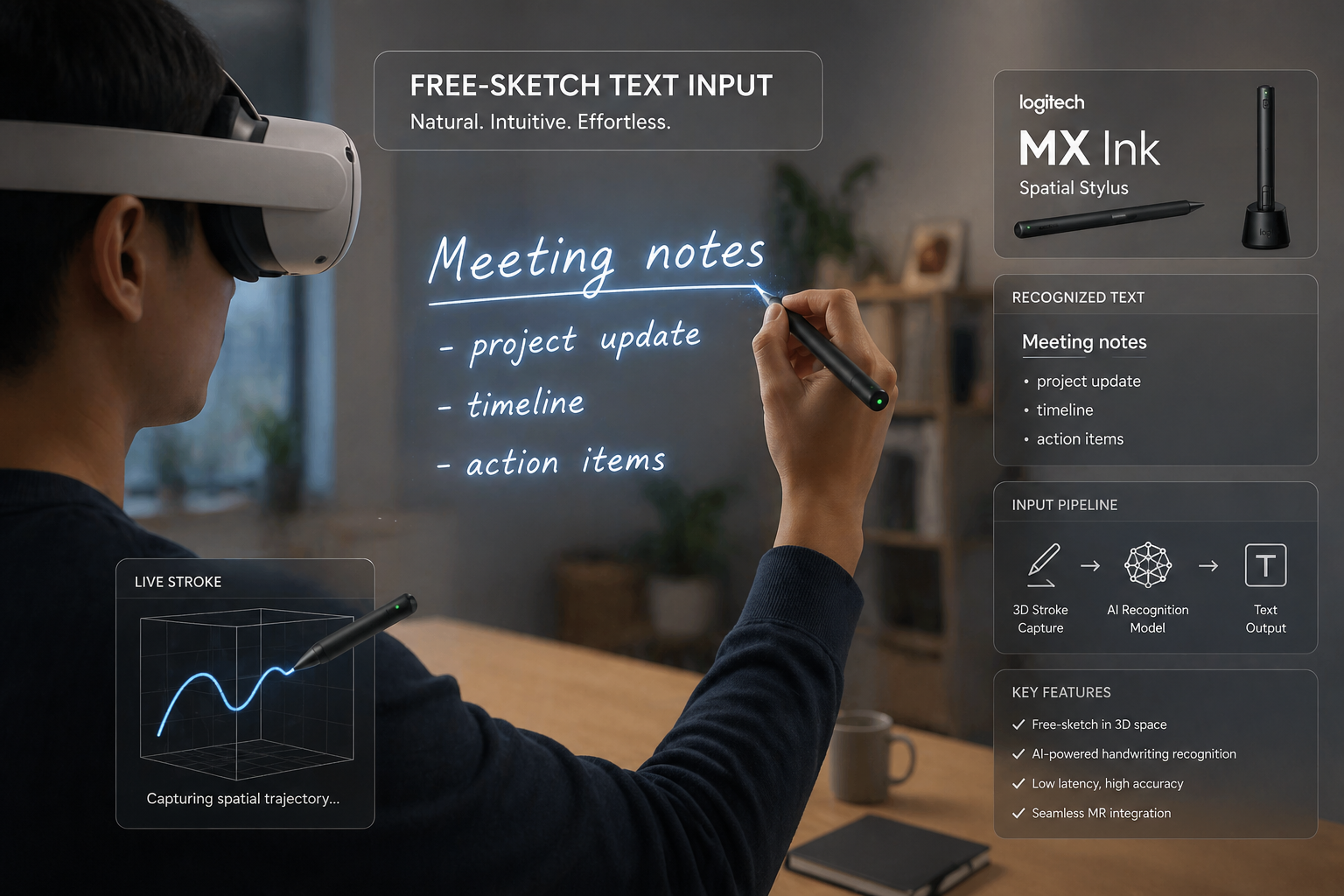
Exploring Free-Sketch Stylus-Based Text Input for Mixed Reality Interfaces
This research examines text input methods in virtual and mixed reality, highlighting limitations in speed, accuracy, and usability across keyboards, speech, and gesture-based approaches, and identifies stylus-based input as a promising alternative. It proposes a system that converts 3D stylus trajectories into text using machine learning, aiming to provide a more natural, efficient, and adaptable input method for immersive environments.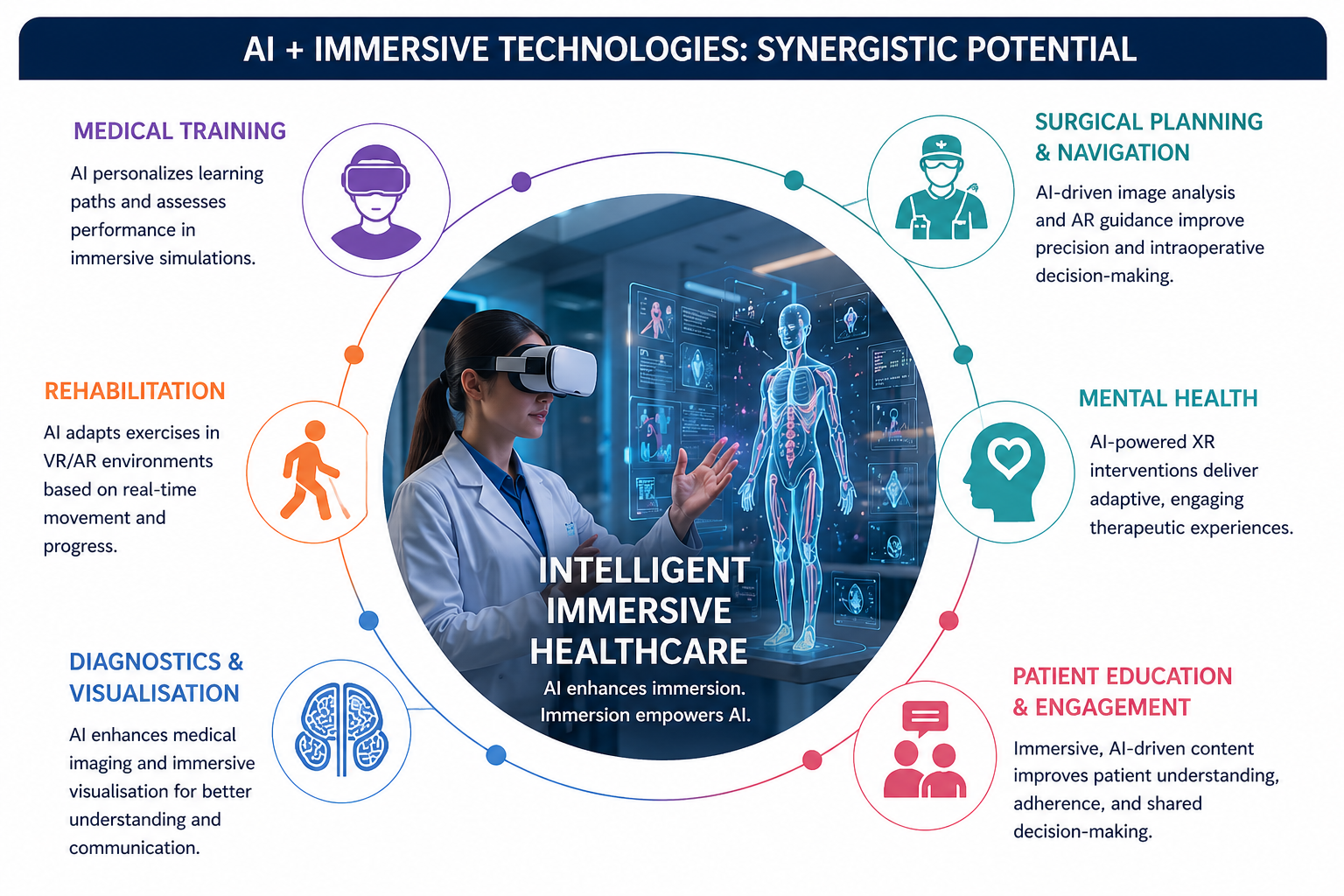
Towards Intelligent Immersive Healthcare: A Systematic Literature Review
This systematic literature review examines how Augmented Reality (AR) and Artificial Intelligence (AI) are being integrated to support medical clinical trials, with a focus on where AI augments AR (e.g., real-time sensing, decision support, adaptive guidance) across trial workflows. It synthesises current integration patterns, application areas, and research gaps to inform the design of more intelligent, immersive trial tools.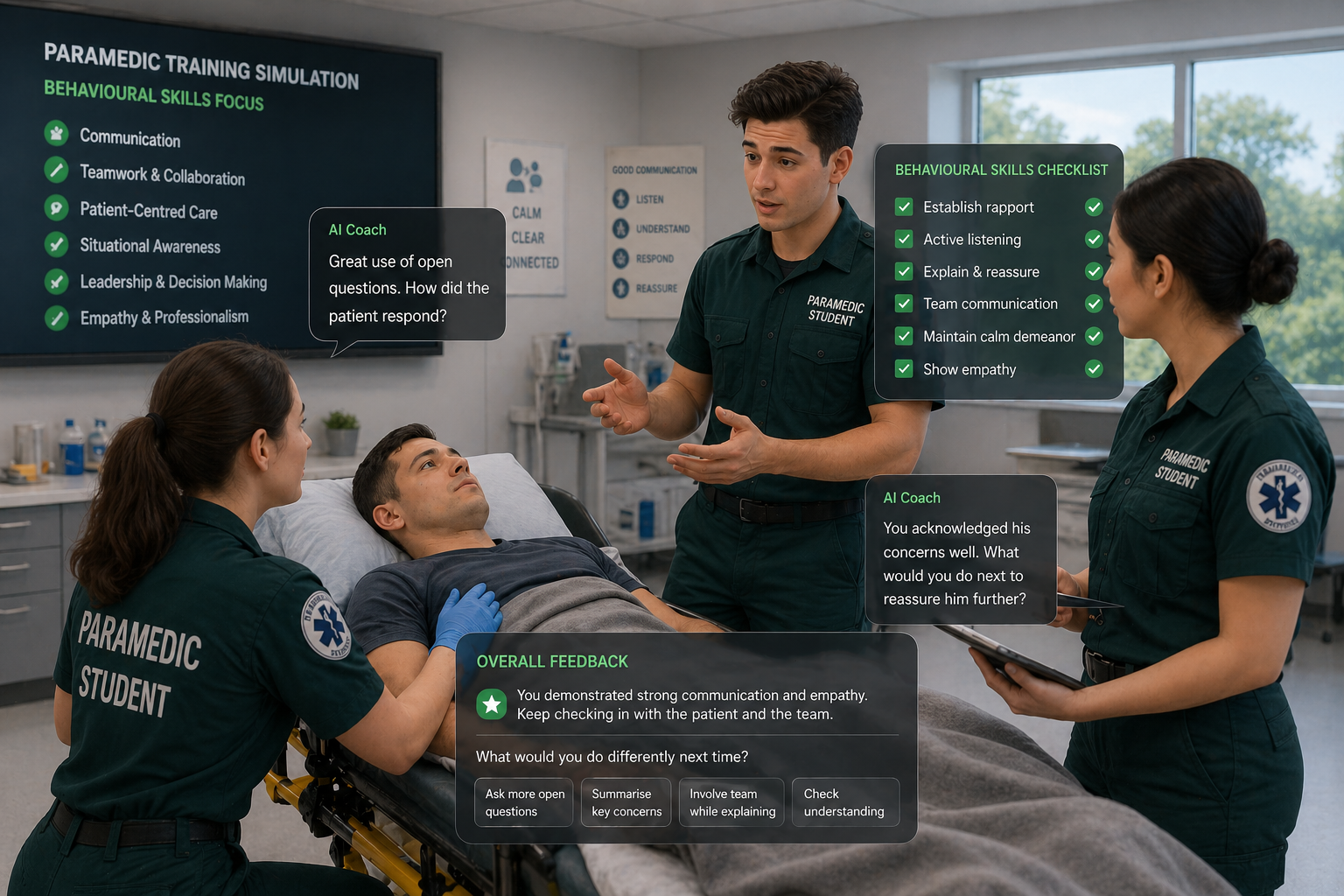
Behavioural Skills Training System for Emergency Services Workers
The project tests flexible virtual personas that vary in tone, emotion, and resistance to create adaptive role play. It aims to improve the quality, accessibility, and scalability of simulation training, especially for regional and remote learners. Educators can supervise sessions in real time or review interactions through secure recordings and analytics, strengthening feedback loops.
AI-facilitated Brain Tumour Segmentation in Immersive Environments
This project develops an AI-driven system to automate brain tumour segmentation from complex 3D MRI scans, reducing the need for time-consuming and error-prone manual annotation by medical experts. It combines deep learning models with immersive visualisation (e.g., AR/VR), allowing clinicians to interact with and refine tumour predictions directly in 3D space.
HandovAR: AI-facilitated AR Handover System for ICU Nurses
This project addresses the challenges in the nurse handover process in critical care settings by designing an integrated solution that leverages immersive and AI technologies. We propose an integrated approach consisting of the following innovative concepts: in-situ augmented reality (AR) overlays, an AI-assisted conversational agent, and a cross-reality collaborative model.augmented reality
Real-time EH&S Intervention to Improve Site Safety
This project integrates AI-based visual models with augmented reality (AR) to address fall-from-height (FFH) risks in high-rise construction. In collaboration with Lendlease, we explore how these technologies can improve the speed, accuracy, and scalability of hazard detection compared to manual inspections. We developed proof-of-concept prototypes that combine AI-driven computer vision with AR to enable real-time analysis, automated reporting, and immersive inspection and training.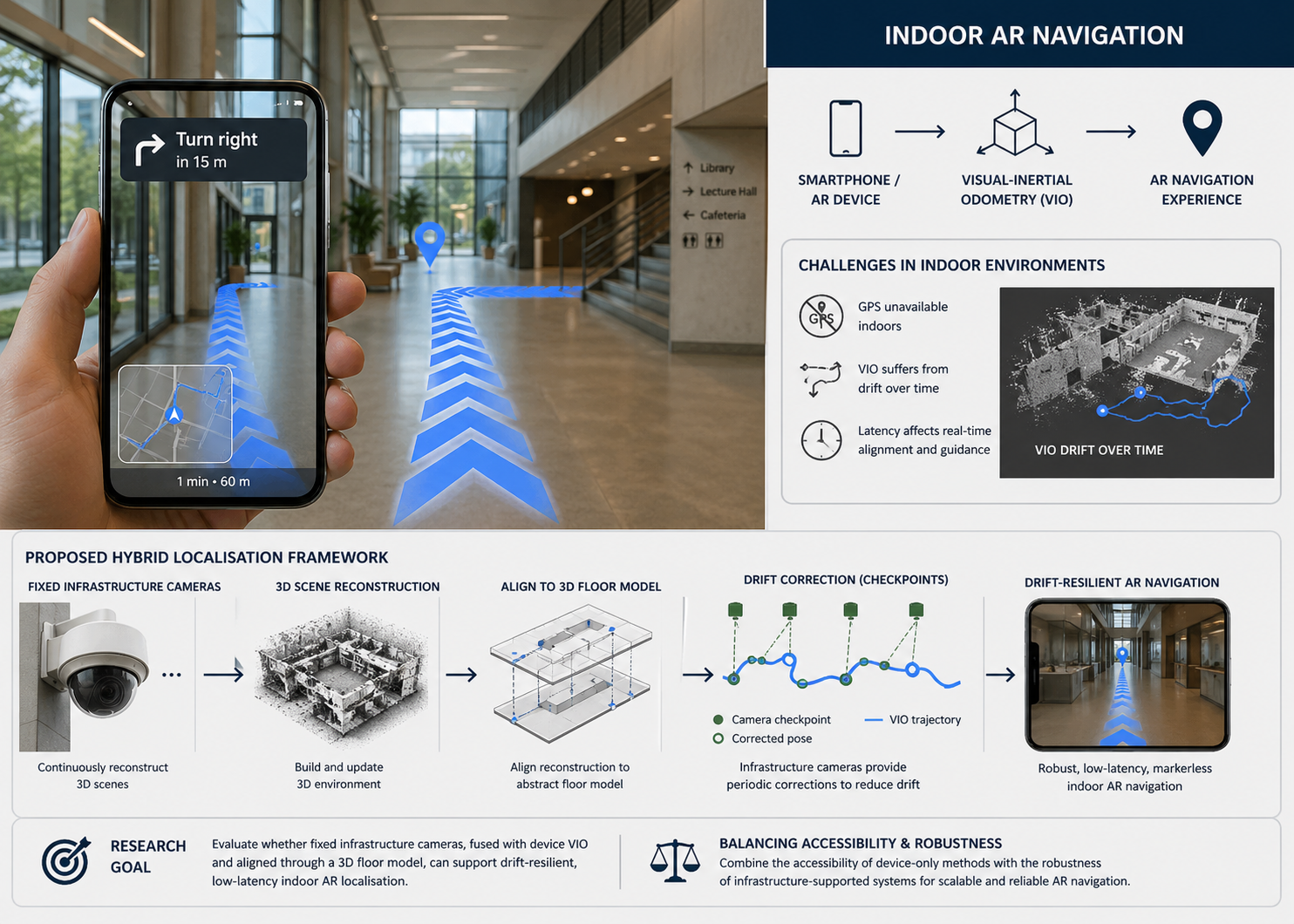
Fusion of Infrastructure-Based 3D Scene Reconstructions and Mobile Visual-Inertial Odometry for Drift-Resilient Indoor Augmented Reality
This project uses a comparative experimental design to evaluate a baseline smartphone-only AR navigation system against a hybrid system supported by sparse infrastructure cameras. Through a phased approach, first extending the Monash campus app into an AR prototype, then integrating stereo camera-based 3D reconstructions, the study investigates whether periodic infrastructure “checkpoints” can reduce drift and improve robustness in indoor AR navigation under controlled lab conditions.A Context-Aware Computing Framework for Performance Improvement in Distributed Vision-Based Augmented Reality
This project aims to address the limitations identified in the current state of the art by designing and evaluating a context-aware computing framework for distributed vision-based AR systems.Towards Intelligent Immersive Healthcare: A Systematic Literature Review
This systematic literature review examines how Augmented Reality (AR) and Artificial Intelligence (AI) are being integrated to support medical clinical trials, with a focus on where AI augments AR (e.g., real-time sensing, decision support, adaptive guidance) across trial workflows. It synthesises current integration patterns, application areas, and research gaps to inform the design of more intelligent, immersive trial tools.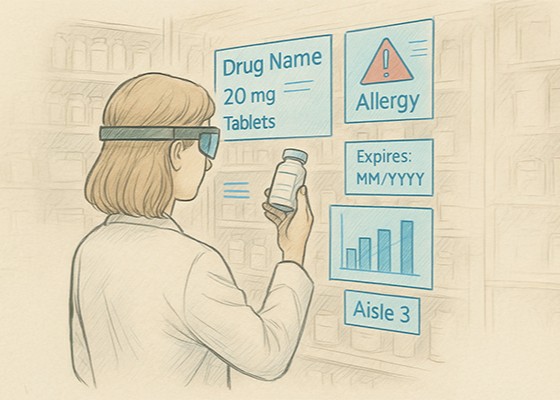
SafePhARm: Safe and Efficient Pharmacy Practice Through Augmented Reality
SafePhARm project explores the use of Augmented Reality (AR) to provide context-aware information directly within pharmacists’ field of view. It aims to identify workflow inefficiencies, co-design AR interfaces with pharmacists, and develop a proof-of-concept prototype. The system will be evaluated in a controlled environment to assess its impact on task efficiency, usability, and cognitive load, ultimately generating design guidelines and evidence for AR-enabled digital health solutions.HandovAR: AI-facilitated AR Handover System for ICU Nurses
This project addresses the challenges in the nurse handover process in critical care settings by designing an integrated solution that leverages immersive and AI technologies. We propose an integrated approach consisting of the following innovative concepts: in-situ augmented reality (AR) overlays, an AI-assisted conversational agent, and a cross-reality collaborative model.augmented/virtual reality

Spatial Cognition and Skills in Immersive Environments
My research investigates spatial cognition and spatial memory in immersive environments, including Virtual Reality (VR) and Augmented Reality (AR). I study how the design of information displays and the surrounding environment influence people's ability to remember, navigate, and interact with spatially distributed information. This work aims to inform the design of effective immersive analytics and mixed-reality interfaces that better align with human cognitive capabilities.co-design
ProDAIS: GenAI-Facilitated Collaborative Learning System for Productive Group Discussion in Information Technology Education
This study explored how Generative AI can support productive group discussions by acting as a low-interference regulatory partner rather than a content generator. Using a Design-Based Research approach, we developed and evaluated ProDAIS, a lightweight AI facilitator grounded in SSRL and APT frameworks, with results showing high usability, low cognitive load, and effective support for participation balance and time management.SafePhARm: Safe and Efficient Pharmacy Practice Through Augmented Reality
SafePhARm project explores the use of Augmented Reality (AR) to provide context-aware information directly within pharmacists’ field of view. It aims to identify workflow inefficiencies, co-design AR interfaces with pharmacists, and develop a proof-of-concept prototype. The system will be evaluated in a controlled environment to assess its impact on task efficiency, usability, and cognitive load, ultimately generating design guidelines and evidence for AR-enabled digital health solutions.Behavioural Skills Training System for Emergency Services Workers
The project tests flexible virtual personas that vary in tone, emotion, and resistance to create adaptive role play. It aims to improve the quality, accessibility, and scalability of simulation training, especially for regional and remote learners. Educators can supervise sessions in real time or review interactions through secure recordings and analytics, strengthening feedback loops.HandovAR: AI-facilitated AR Handover System for ICU Nurses
This project addresses the challenges in the nurse handover process in critical care settings by designing an integrated solution that leverages immersive and AI technologies. We propose an integrated approach consisting of the following innovative concepts: in-situ augmented reality (AR) overlays, an AI-assisted conversational agent, and a cross-reality collaborative model.construction site
Real-time EH&S Intervention to Improve Site Safety
This project integrates AI-based visual models with augmented reality (AR) to address fall-from-height (FFH) risks in high-rise construction. In collaboration with Lendlease, we explore how these technologies can improve the speed, accuracy, and scalability of hazard detection compared to manual inspections. We developed proof-of-concept prototypes that combine AI-driven computer vision with AR to enable real-time analysis, automated reporting, and immersive inspection and training.context-aware
A Context-Aware Computing Framework for Performance Improvement in Distributed Vision-Based Augmented Reality
This project aims to address the limitations identified in the current state of the art by designing and evaluating a context-aware computing framework for distributed vision-based AR systems.context-dependent memory
Immersive Contextual Data Analytics
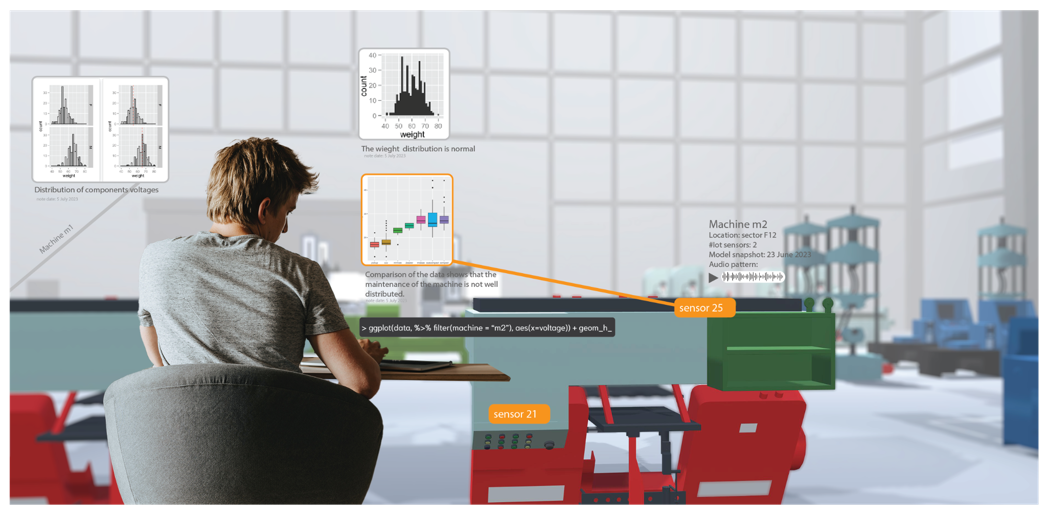
This research explores how context-dependent memory influences users’ ability to interpret and recall insights in prox-situated data analytics. This work examines how physical and spatial context, such as environment, viewpoint, and interaction modality, affects understanding and memory retention during analysis. The goal is to inform the design of immersive and situated analytics systems that better support cognition and decision-making.data visualisation
Immersive View Management for Interactive Data Visualisation
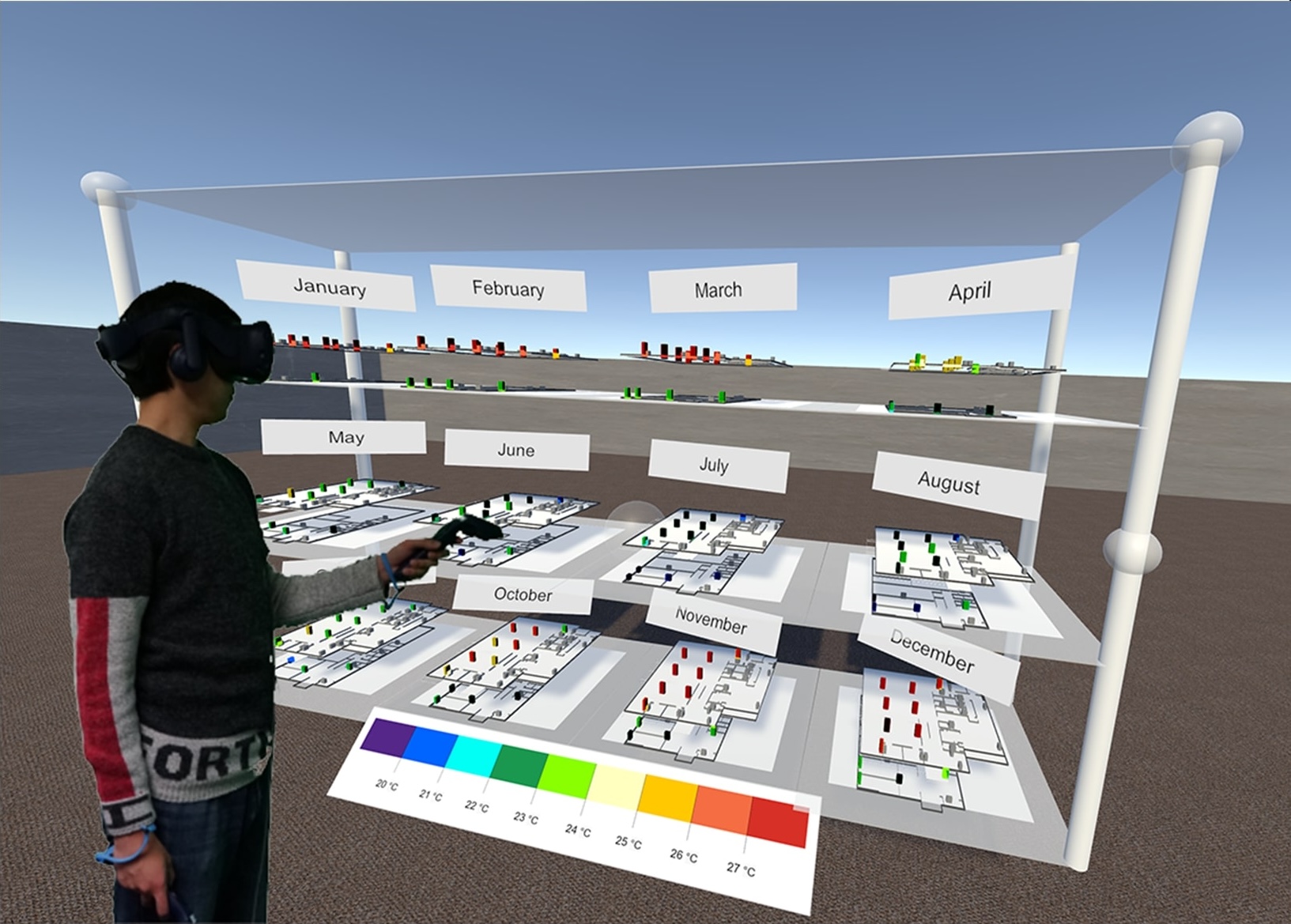
A multi-view data visualisation system uses multiple views to support the investigation of a single conceptual data entity. Data visualisation has traditionally been done on screens. However, emerging technologies like virtual and augmented reality create new possibilities for exploring data in immersive environments. This thesis explores the factors that could influence and inform interface and interaction design for managing multi-view visualisations in immersive spaces. We characterise fundamental design aspects, implement prototypes to demonstrate design possibilities, and evaluate them with user studies. Amongst other findings, our user studies reveal an effect of spatial layout of views on spatial memory and ergonomics.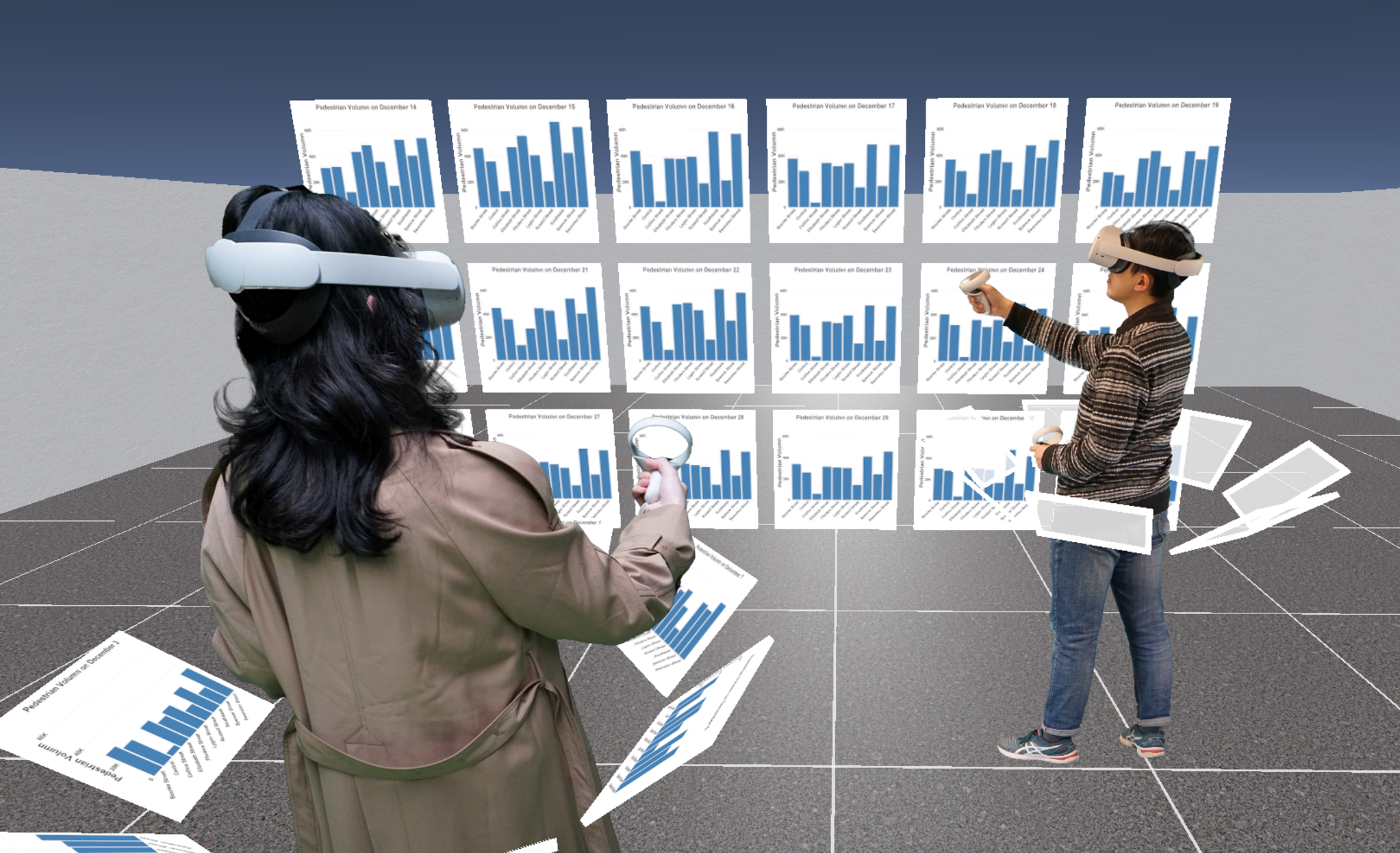
DataDancing: Full Body Interaction for 3D Surfaces and Spaces
My research investigates how people interact with information in immersive environments through spatial, embodied, and full-body interaction techniques. I study how visualizations can be arranged and managed across 3D spaces and surfaces in Virtual and Mixed Reality, and how emerging interaction modalities, including body movement, foot input, and proxemic interaction, can support data analysis and sensemaking. This work contributes design frameworks and interaction techniques that help shape the future of immersive analytics and spatial computing.digital health
Implementation and comparison of large language models for ICU notes transcription and summarisation
This project focuses on the comparison and potential implementation of Large Language Models (LLMs) aiming to assist the clinical handovers process in an Intensive Care Unit (ICU) environment. This process is commonly identified as “the transfer of professional responsibility and accountability for some or all aspects of care for a patient and generally occurs between the shifts of supervising nursing staff.SafePhARm: Safe and Efficient Pharmacy Practice Through Augmented Reality
SafePhARm project explores the use of Augmented Reality (AR) to provide context-aware information directly within pharmacists’ field of view. It aims to identify workflow inefficiencies, co-design AR interfaces with pharmacists, and develop a proof-of-concept prototype. The system will be evaluated in a controlled environment to assess its impact on task efficiency, usability, and cognitive load, ultimately generating design guidelines and evidence for AR-enabled digital health solutions.AI-facilitated Brain Tumour Segmentation in Immersive Environments
This project develops an AI-driven system to automate brain tumour segmentation from complex 3D MRI scans, reducing the need for time-consuming and error-prone manual annotation by medical experts. It combines deep learning models with immersive visualisation (e.g., AR/VR), allowing clinicians to interact with and refine tumour predictions directly in 3D space.HandovAR: AI-facilitated AR Handover System for ICU Nurses
This project addresses the challenges in the nurse handover process in critical care settings by designing an integrated solution that leverages immersive and AI technologies. We propose an integrated approach consisting of the following innovative concepts: in-situ augmented reality (AR) overlays, an AI-assisted conversational agent, and a cross-reality collaborative model.full-body interaction
DataDancing: Full Body Interaction for 3D Surfaces and Spaces
My research investigates how people interact with information in immersive environments through spatial, embodied, and full-body interaction techniques. I study how visualizations can be arranged and managed across 3D spaces and surfaces in Virtual and Mixed Reality, and how emerging interaction modalities, including body movement, foot input, and proxemic interaction, can support data analysis and sensemaking. This work contributes design frameworks and interaction techniques that help shape the future of immersive analytics and spatial computing.immersive analytics
Immersive View Management for Interactive Data Visualisation
A multi-view data visualisation system uses multiple views to support the investigation of a single conceptual data entity. Data visualisation has traditionally been done on screens. However, emerging technologies like virtual and augmented reality create new possibilities for exploring data in immersive environments. This thesis explores the factors that could influence and inform interface and interaction design for managing multi-view visualisations in immersive spaces. We characterise fundamental design aspects, implement prototypes to demonstrate design possibilities, and evaluate them with user studies. Amongst other findings, our user studies reveal an effect of spatial layout of views on spatial memory and ergonomics.DataDancing: Full Body Interaction for 3D Surfaces and Spaces
My research investigates how people interact with information in immersive environments through spatial, embodied, and full-body interaction techniques. I study how visualizations can be arranged and managed across 3D spaces and surfaces in Virtual and Mixed Reality, and how emerging interaction modalities, including body movement, foot input, and proxemic interaction, can support data analysis and sensemaking. This work contributes design frameworks and interaction techniques that help shape the future of immersive analytics and spatial computing.Immersive Contextual Data Analytics
This research explores how context-dependent memory influences users’ ability to interpret and recall insights in prox-situated data analytics. This work examines how physical and spatial context, such as environment, viewpoint, and interaction modality, affects understanding and memory retention during analysis. The goal is to inform the design of immersive and situated analytics systems that better support cognition and decision-making.indoor navigation
Fusion of Infrastructure-Based 3D Scene Reconstructions and Mobile Visual-Inertial Odometry for Drift-Resilient Indoor Augmented Reality
This project uses a comparative experimental design to evaluate a baseline smartphone-only AR navigation system against a hybrid system supported by sparse infrastructure cameras. Through a phased approach, first extending the Monash campus app into an AR prototype, then integrating stereo camera-based 3D reconstructions, the study investigates whether periodic infrastructure “checkpoints” can reduce drift and improve robustness in indoor AR navigation under controlled lab conditions.infrastructure camera
Fusion of Infrastructure-Based 3D Scene Reconstructions and Mobile Visual-Inertial Odometry for Drift-Resilient Indoor Augmented Reality
This project uses a comparative experimental design to evaluate a baseline smartphone-only AR navigation system against a hybrid system supported by sparse infrastructure cameras. Through a phased approach, first extending the Monash campus app into an AR prototype, then integrating stereo camera-based 3D reconstructions, the study investigates whether periodic infrastructure “checkpoints” can reduce drift and improve robustness in indoor AR navigation under controlled lab conditions.interaction design
Immersive View Management for Interactive Data Visualisation
A multi-view data visualisation system uses multiple views to support the investigation of a single conceptual data entity. Data visualisation has traditionally been done on screens. However, emerging technologies like virtual and augmented reality create new possibilities for exploring data in immersive environments. This thesis explores the factors that could influence and inform interface and interaction design for managing multi-view visualisations in immersive spaces. We characterise fundamental design aspects, implement prototypes to demonstrate design possibilities, and evaluate them with user studies. Amongst other findings, our user studies reveal an effect of spatial layout of views on spatial memory and ergonomics.large language models
Implementation and comparison of large language models for ICU notes transcription and summarisation
This project focuses on the comparison and potential implementation of Large Language Models (LLMs) aiming to assist the clinical handovers process in an Intensive Care Unit (ICU) environment. This process is commonly identified as “the transfer of professional responsibility and accountability for some or all aspects of care for a patient and generally occurs between the shifts of supervising nursing staff.learning analytics
ProDAIS: GenAI-Facilitated Collaborative Learning System for Productive Group Discussion in Information Technology Education
This study explored how Generative AI can support productive group discussions by acting as a low-interference regulatory partner rather than a content generator. Using a Design-Based Research approach, we developed and evaluated ProDAIS, a lightweight AI facilitator grounded in SSRL and APT frameworks, with results showing high usability, low cognitive load, and effective support for participation balance and time management.literature review
Towards Intelligent Immersive Healthcare: A Systematic Literature Review
This systematic literature review examines how Augmented Reality (AR) and Artificial Intelligence (AI) are being integrated to support medical clinical trials, with a focus on where AI augments AR (e.g., real-time sensing, decision support, adaptive guidance) across trial workflows. It synthesises current integration patterns, application areas, and research gaps to inform the design of more intelligent, immersive trial tools.robotics
Intelligent Control and Manufacturing in the Agentic Era
This project proposes a simulation-based research framework that investigates how VLA-inspired decision-making can support adaptive robotic behaviours in tasks such as storage, retrieval, sorting, and replenishment. By focusing on system integration, realistic task modelling, and evaluation under dynamic operational conditions, this research aims to contribute toward more practical and scalable intelligent manufacturing systems in the agentic era.simulation-based training
Behavioural Skills Training System for Emergency Services Workers
The project tests flexible virtual personas that vary in tone, emotion, and resistance to create adaptive role play. It aims to improve the quality, accessibility, and scalability of simulation training, especially for regional and remote learners. Educators can supervise sessions in real time or review interactions through secure recordings and analytics, strengthening feedback loops.situated visualisation
Immersive Contextual Data Analytics
This research explores how context-dependent memory influences users’ ability to interpret and recall insights in prox-situated data analytics. This work examines how physical and spatial context, such as environment, viewpoint, and interaction modality, affects understanding and memory retention during analysis. The goal is to inform the design of immersive and situated analytics systems that better support cognition and decision-making.smart manufacturing
Intelligent Control and Manufacturing in the Agentic Era
This project proposes a simulation-based research framework that investigates how VLA-inspired decision-making can support adaptive robotic behaviours in tasks such as storage, retrieval, sorting, and replenishment. By focusing on system integration, realistic task modelling, and evaluation under dynamic operational conditions, this research aims to contribute toward more practical and scalable intelligent manufacturing systems in the agentic era.spatial Skills
Spatial Cognition and Skills in Immersive Environments
My research investigates spatial cognition and spatial memory in immersive environments, including Virtual Reality (VR) and Augmented Reality (AR). I study how the design of information displays and the surrounding environment influence people's ability to remember, navigate, and interact with spatially distributed information. This work aims to inform the design of effective immersive analytics and mixed-reality interfaces that better align with human cognitive capabilities.spatial memory
Spatial Cognition and Skills in Immersive Environments
My research investigates spatial cognition and spatial memory in immersive environments, including Virtual Reality (VR) and Augmented Reality (AR). I study how the design of information displays and the surrounding environment influence people's ability to remember, navigate, and interact with spatially distributed information. This work aims to inform the design of effective immersive analytics and mixed-reality interfaces that better align with human cognitive capabilities.text input
Exploring Free-Sketch Stylus-Based Text Input for Mixed Reality Interfaces
This research examines text input methods in virtual and mixed reality, highlighting limitations in speed, accuracy, and usability across keyboards, speech, and gesture-based approaches, and identifies stylus-based input as a promising alternative. It proposes a system that converts 3D stylus trajectories into text using machine learning, aiming to provide a more natural, efficient, and adaptable input method for immersive environments.view management
Immersive View Management for Interactive Data Visualisation
A multi-view data visualisation system uses multiple views to support the investigation of a single conceptual data entity. Data visualisation has traditionally been done on screens. However, emerging technologies like virtual and augmented reality create new possibilities for exploring data in immersive environments. This thesis explores the factors that could influence and inform interface and interaction design for managing multi-view visualisations in immersive spaces. We characterise fundamental design aspects, implement prototypes to demonstrate design possibilities, and evaluate them with user studies. Amongst other findings, our user studies reveal an effect of spatial layout of views on spatial memory and ergonomics.DataDancing: Full Body Interaction for 3D Surfaces and Spaces
My research investigates how people interact with information in immersive environments through spatial, embodied, and full-body interaction techniques. I study how visualizations can be arranged and managed across 3D spaces and surfaces in Virtual and Mixed Reality, and how emerging interaction modalities, including body movement, foot input, and proxemic interaction, can support data analysis and sensemaking. This work contributes design frameworks and interaction techniques that help shape the future of immersive analytics and spatial computing.virtual reality
Exploring Free-Sketch Stylus-Based Text Input for Mixed Reality Interfaces
This research examines text input methods in virtual and mixed reality, highlighting limitations in speed, accuracy, and usability across keyboards, speech, and gesture-based approaches, and identifies stylus-based input as a promising alternative. It proposes a system that converts 3D stylus trajectories into text using machine learning, aiming to provide a more natural, efficient, and adaptable input method for immersive environments.Towards Intelligent Immersive Healthcare: A Systematic Literature Review
This systematic literature review examines how Augmented Reality (AR) and Artificial Intelligence (AI) are being integrated to support medical clinical trials, with a focus on where AI augments AR (e.g., real-time sensing, decision support, adaptive guidance) across trial workflows. It synthesises current integration patterns, application areas, and research gaps to inform the design of more intelligent, immersive trial tools.Behavioural Skills Training System for Emergency Services Workers
The project tests flexible virtual personas that vary in tone, emotion, and resistance to create adaptive role play. It aims to improve the quality, accessibility, and scalability of simulation training, especially for regional and remote learners. Educators can supervise sessions in real time or review interactions through secure recordings and analytics, strengthening feedback loops.